


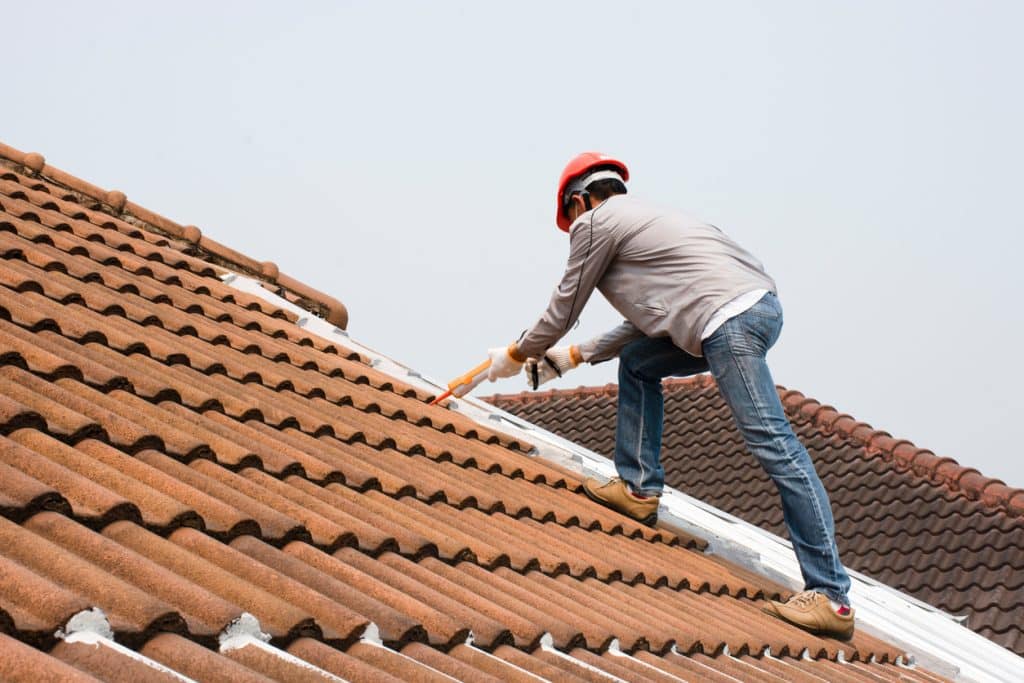
Tile roofs are known for their durability and long service life. However, falling debris and storm impacts can still damage roofing materials. Preventive maintenance helps reduce leaks, cracks, and long-term structural problems.
How Nearby Trees Can Damage Tile Roofs
Trees near a home can increase the risk of branches falling onto your roof. Overhanging branches may scrape tiles during windy conditions. Repeated contact can wear protective surfaces over time.
Large branches can also break during storms. Falling limbs may crack or dislodge roofing tiles. Even small impacts can damage the underlayment beneath the tiles.
Leaves, twigs, and seed pods may collect on the roof. Debris buildup can trap moisture against roofing materials. Moisture problems may increase the risk of water intrusion.
Homes with dense tree coverage often need more roof monitoring. Nearby vegetation creates ongoing exposure to falling debris. Regular trimming may help reduce these risks.
Storm Debris Can Create Hidden Roofing Problems
Tile roofs often face higher risks during severe storms. Strong winds may carry branches, outdoor items, and construction debris. Hail can also crack tiles and weaken roofing materials.
Some damage is difficult to see from the ground. Small cracks may still allow water beneath the tile surface. Moisture can spread into the underlayment and the roof decking.
Hidden water intrusion may lead to mold or ceiling stains. Wood materials beneath the roof can also weaken over time. Early inspections help identify damage before problems spread.
Roofing materials may appear stable while hidden damage develops underneath. Prompt inspections can help reduce repair costs later.
Why Tile Roofs Need Careful Impact Protection
Tile roofing materials are durable but still vulnerable to concentrated force. Heavy branches and airborne debris may crack individual tiles. Broken tiles expose lower roofing layers to moisture.
Tile attachment points may also weaken after repeated impacts. Shifting tiles can create openings for water penetration. Small openings often grow larger over time.
Walking on tile roofs may also cause accidental damage. It is very important to be careful with foot placement during inspections. Cracked tiles sometimes result from improper roof access.
Professional inspections help identify damage without causing additional stress. Roofers know how to inspect tile materials safely. This reduces the chance of accidental breakage.
Supporting Long-Term Tile Roof Performance
Preventive maintenance helps tile roofs last longer and perform better. Regular inspections can identify cracked tiles and drainage problems early. Small repairs may prevent larger structural damage later.
Gutters and roof valleys should remain free from heavy debris. Proper drainage helps reduce trapped moisture around roofing materials. Consistent cleaning also supports roof performance.
Tile roofs can provide decades of protection with proper care. Monitoring nearby trees and storm damage helps reduce avoidable repairs. Routine inspections support long-term roofing durability. If you have concerns or require tile roofing services, contact RoofVantage in Wilmington, NC.