
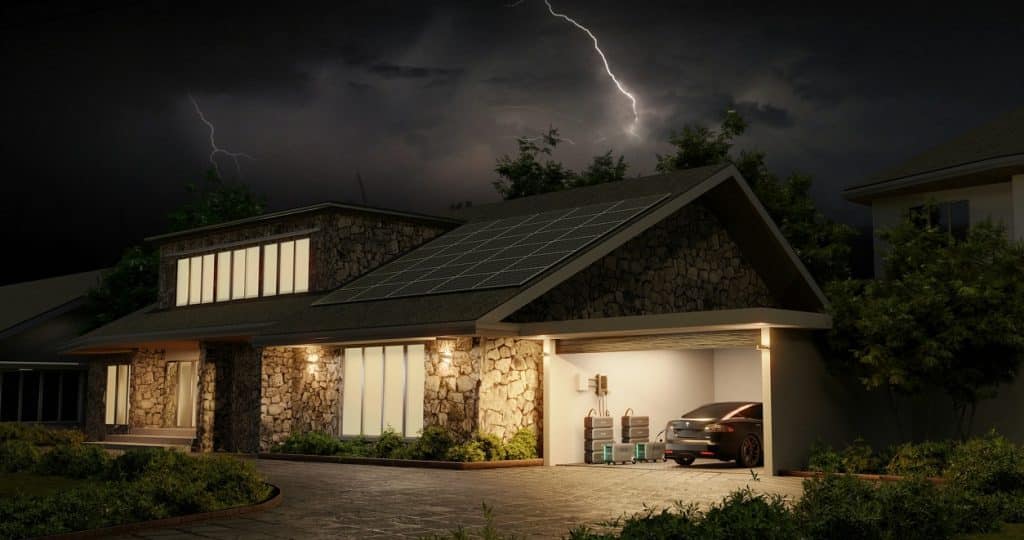
Heavy rain and wind can be a major threat to the health of your roof. Even if your roof was installed by experienced roofers, what you’ll find is that the only way to keep your roof in good shape and allow it to do the job of protecting your property is through maintenance. We offer some roof maintenance tips for storm-prone areas that will help you navigate these environmental hurdles without having to settle for regular repairs and structural damage.
Think Ahead and Prevent Debris Impact Damage
Falling branches can cause damage ranging from breaking a few shingles on your roof to putting a hole in it, if the branches are heavy enough. Rather than waiting for this to happen, trim branches that could pose a risk to your roof before storms arrive in your region. A little preventive maintenance can save you a great deal of time and money later that you would otherwise have to pay if a limb came crashing down on your house.
Keep Gutters and Downspouts Clear
A clogged gutter is a much bigger problem than you might assume. When water is allowed to gather in gutters because the gutters or the downspouts are clogged, this backed-up water can start to eat away at roofing materials or make its way under loose and damaged shingles.
Check your downspouts to see if they’re clear and if water is making its way out. To safely check the status of your gutters, reach out to your roofer so that they can get up there and see what your gutters look like. If they need to clear them out, they’ll be able to do that while they’re at your home.
Improve Structural Reinforcement and Sealing
You can easily add improvements to your roof to help you defend it against wind and rain. One such maintenance task that can keep water out of your home is adding a secondary water barrier. This will keep water out should shingles get blown off, and it’s often something home builders or roofers need to do in stormy areas regardless.
Get Regular Inspections Before and After Storm Season
Regular inspections are a maintenance activity that can mean the difference between no damage or minor damage and catastrophic storm damage. Get your roof inspected annually before storm season starts. This will ensure there’s no existing damage that storms will worsen once they roll in. Then, get your roof inspected after exceptionally strong storms. If any damage occurred during a storm, you’ll catch it early.
Storms can be detrimental to roofing, which is why it’s important to be on top of maintenance. Get ahead of storm damage by following the roof maintenance guidance above. The more diligent you are, the less likely you are to encounter severe damage. If you have concerns or require storm damage services, contact RoofVantage in Wilmington, NC.