


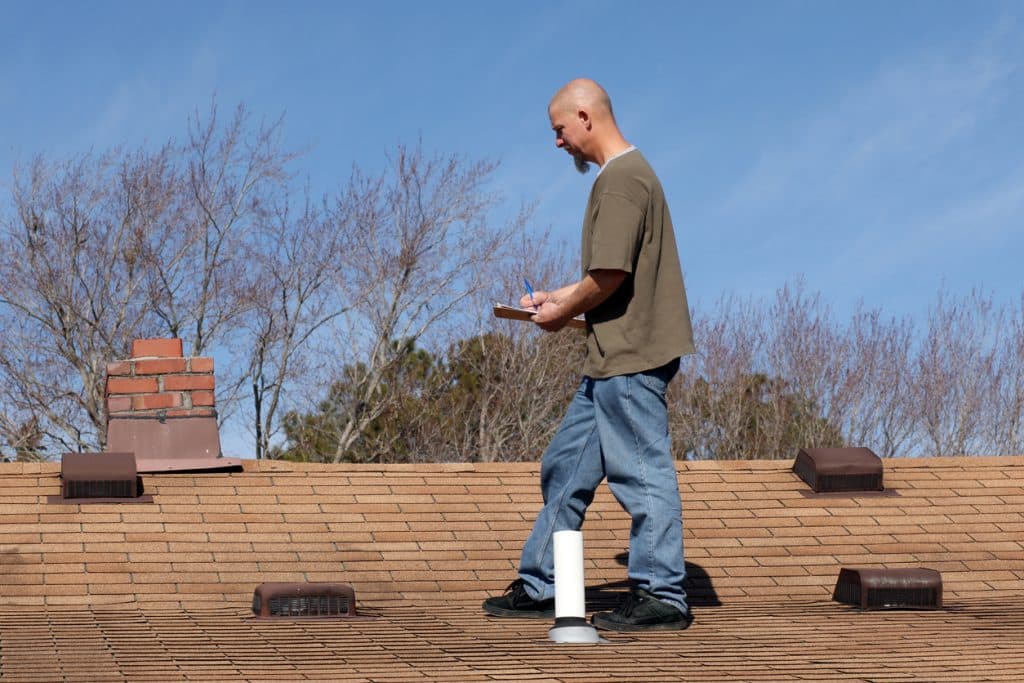
A roof with several different peaks and angles features a beautiful architectural design. It’s also a giant funnel for rainwater. Those spots where two sloping roof sections meet at an angle are called valleys. They behave like the main highways for every drop of water that hits your shingles. It’s common to ignore these areas because they are hard to see from the ground. However, they’re the most likely places for a leak to begin.
It’s discouraging to invest in a house only to find a dark water stain appearing on your living room ceiling after a heavy storm. If you want your house to stay dry, you need to pay attention to these valleys before they become a cluttered mess.
The Problem With Piling Leaves and Pine Needles
Roof valleys catch all sorts of debris, such as leaves, dirt, and twigs. Over time, all this collects and traps water on the roof. When wet debris sits in these valleys for some time, the moisture will stay even when the sun is shining bright. This trapped moisture will cause your shingles to break down. If you have large trees in your yard, have an arborist trim them back so that fallen leaves and other debris do not collect on your roof as much.
How Trapped Water Forces Its Way Inside
Water is always looking for the path of least resistance. A blocked valley gives that water a reason to go where it doesn’t belong. When a pile of sticks or a thick layer of pine needles blocks the channel, the water begins to back up and pool behind the obstruction. Instead of flowing safely into your gutters, the water sits against the seams of your shingles, where wind can eventually push it underneath them.
This is why many high-quality roofs use a special metal lining or thick waterproof membrane specifically in these valley areas. Without a clear path to the edge of the roof, that standing water will eventually rot the wooden decking beneath and find a way into your attic.
Maintenance and Simple Solutions
To keep your home dry and safe, have a roofer come and clean out these valleys twice a year. The first cleaning should take place in the spring, and the other should take place in autumn after all the leaves have fallen. You may think that you can perform this cleaning yourself with a leaf blower or a long-handled broom. However, one wrong move can damage your shingles. It’s best to leave maintenance to the professionals.
Your roof protects your household from the elements, so it’s important to give it the TLC it deserves. If you notice any signs of trouble with your roof in Wilmington, NC, call RoofVantage for roof repair.